The History of Urban Climatology
The term "urban climatology" refers to an approach for researching the effects of industrialization and urbanization. Cities influence the physical environment by altering energy, moisture, and mobility regimes near the surface. The majority of these changes can be attributed to factors such as air pollution, anthropogenic heat sources, surface waterproofing, thermal properties of surface materials, and surface morphology and its specific three-dimensional geometry—building spacing, height, orientation, vegetative layering, and the overall dimensions and geography of these elements. Other influences include relief, proximity to bodies of water, city size, population density, and land-use patterns. Our Urban Climatology assignment help is a comprehensive guide to Urban Climatology and has all that you need to know about it.
Factors Affecting Urban Climatology
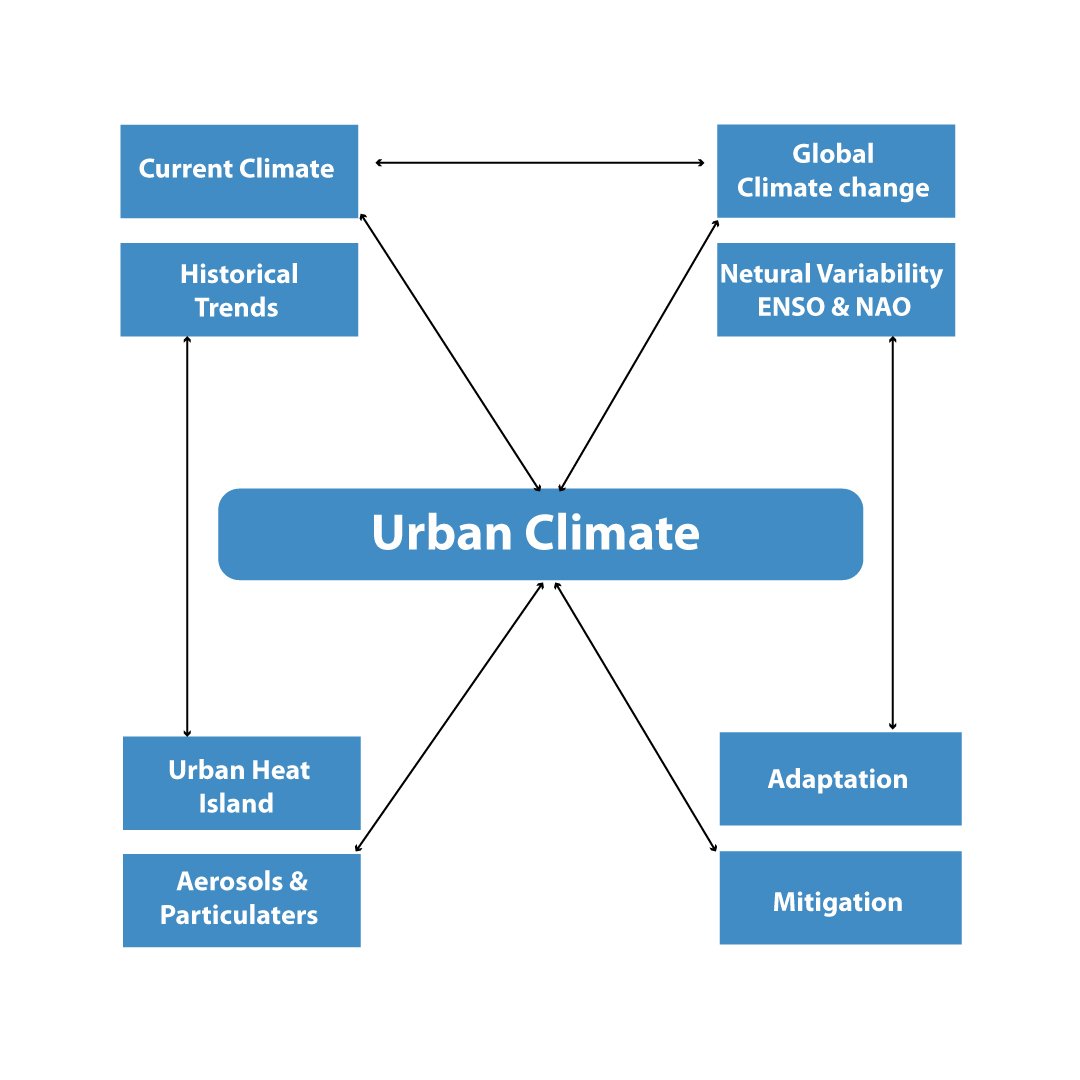
The urban climate is influenced by several elements, including city size, city shape, land-use pattern, and geographic location (such as relief, elevation, and regional climate). Air quality, wind patterns, and variations in rainfall patterns are some of the differences between urban and rural climates, but one of the most researched is the urban heat island effect.
You can easily procure your Urban Climatology homework help service directly from the professional subject matter writers.
City Temperatures and the Heat Island Effect
Howard discovered over a century ago that urban places are often warmer than their environs. On a larger scale, urban areas are islands or points when compared to more rural surrounding regions. Temperature distribution happens together with temporal changes, both of which are directly tied to human causes.
Pollution
Air quality, Radiation Fluxes, Micro-Climates, and even concerns normally connected with architectural design and engineering, such as Wind Engineering, are all covered in this discipline. The causes and impacts of pollution as studied by Urban Climatology are becoming increasingly essential for urban planning.
Precipitation
Wind and convection patterns change over and around cities, influencing precipitation. Urban heat islands, increased surface roughness, and increased aerosol concentration are thought to be contributing contributors.
 Australia
  UK
UK World
World





 3 Bellbridge Dr, Hoppers Crossing, Melbourne VIC 3029