Kinds of Demand
The kinds of demand are highlighted in our Demand Analysis case study help as follows:
- Individual demand: It is the demand of the individual consumer. It includes the demand for shoes, clothes, and other products.
- Household demand: This demand is of a household and it includes products such as refrigerators, washing machines, and homes.
- Market demand: When the demand of individuals are households are considered, it is known as the Market demand.
- Direct demand: This demand satisfies human needs directly.
- Indirect demand: This demand is used for producing consumer goods.
- Joint demand: When more than one quantity is needed for satisfying one need, it is called a joint demand. An instance is a sugar, tea leaves, and milk for preparing tea.
- Composite demand: This demand can meet multiple wants at the same time. One example is electricity that meets the demand of many households.
- Competitive demand: This demand happens when commodities compete with the substitutes. Toothpaste of various brands falls under this category.
Important Determinants of Demand
The important determinants of demand are mentioned in our Demand Analysis homework help online as follows:
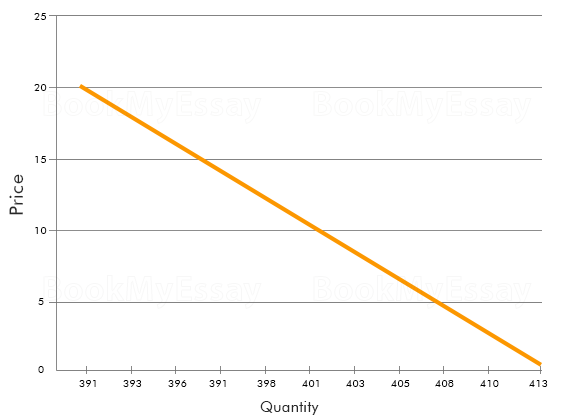
Price of the commodity: It is an important determinant of demand for individuals, households, and the overall market. As the price of the product increases, its demand reduces.
Income of people: The demand for commodities is dependent on the income of people. If their income is greater, their demand for goods shall be greater. Greater income indicates greater purchasing power. As the income of people increases, they can purchase more. Due to this reason, income shows a positive effect on the demand for goods.
Price of complementary products and substitute products: The demand for goods is affected by the prices of complementary and substitute goods. When a demand curve is drawn for a good, the prices of related goods remain constant.
Tastes and preferences of end consumers: Tastes and Preferences of consumers is a vital factor for determining the demand for goods. Goods for which the tastes and preferences are higher, the demand shall be more and the demand curve shall be at a higher level. The tastes and preferences of people often change and due to this, there is a change in demand.
 Australia
  UK
UK World
World





 3 Bellbridge Dr, Hoppers Crossing, Melbourne VIC 3029